
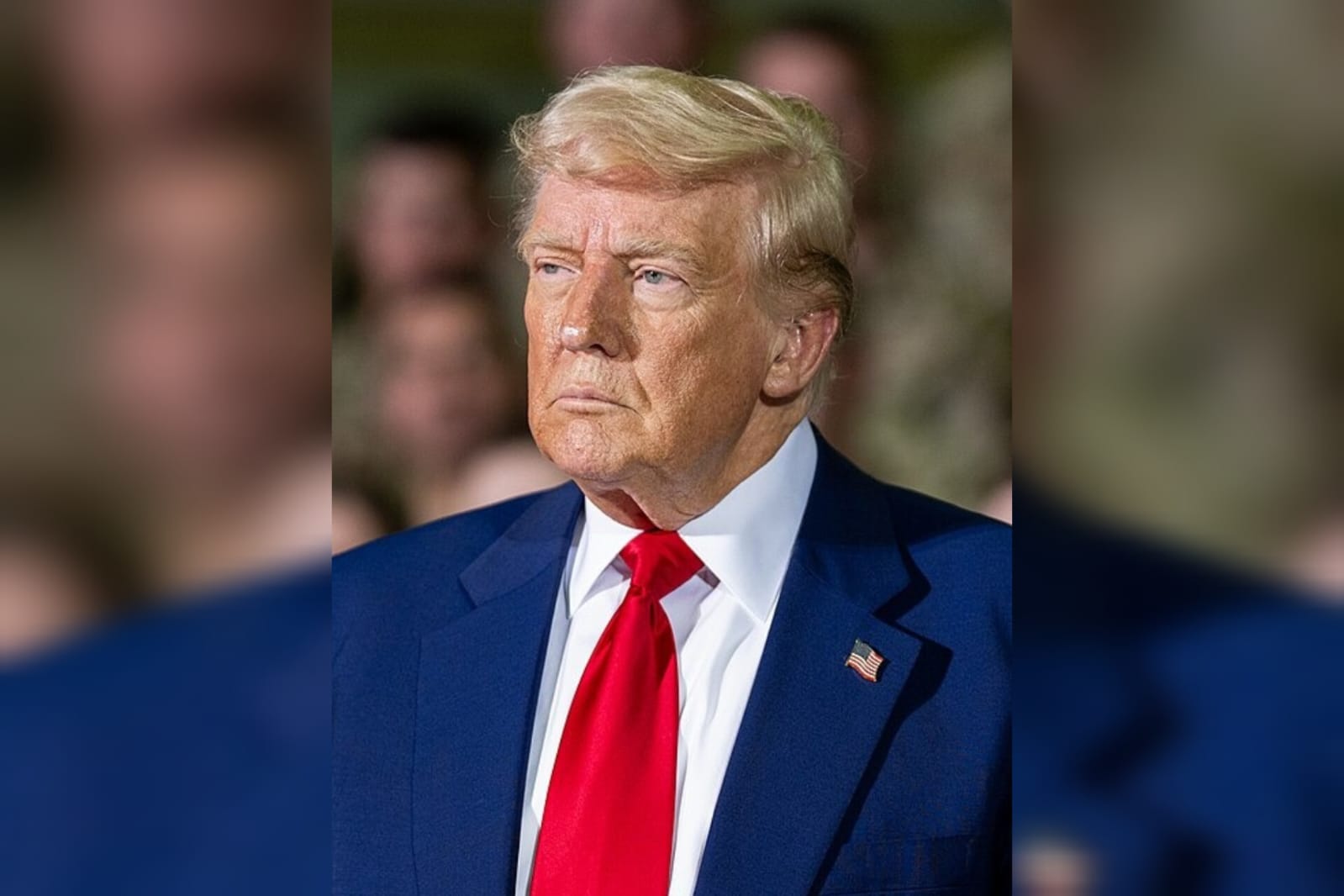
The United States has opted not to extend its waiver on sanctions concerning the purchase of Russian oil, indicating a possible increase in pressure on Moscow. This decision aligns with the U.S.’s new agreement with Iran, aimed at stabilizing global energy markets. The waiver had allowed limited seaborne oil transactions from Russian producers, such as Rosneft and Lukoil, despite existing sanctions. However, the deadline for the waiver has passed without renewal as the Trump administration seeks to reduce Russia’s oil revenues amidst the ongoing conflict in Ukraine.
Although officials have not explicitly stated whether the expiration will automatically lead to the return of full restrictions, recent communications suggest a move toward stricter enforcement. President Donald Trump has tied this development to the decline in global oil prices, arguing that an increased supply from the Middle East means emergency exemptions are less necessary.
The decision comes at a time when the United States and Iran have reached an agreement that could see Iranian oil re-entering global markets under relaxed sanctions within a 60-day negotiation framework. This agreement, along with the new stance on Russian oil, represents a broader shift in energy policy that aims to redefine global supply chains and mitigate price fluctuations.
While Iranian oil exports are poised to rise gradually as the agreement is put into effect, experts warn that it might take time to fully restore production and shipping capabilities. The combined impact of more Iranian oil and stricter Russian oil restrictions is expected to significantly influence global oil dynamics in the coming months.
The White House has yet to announce whether additional sanctions will be implemented, though officials have indicated that factors such as energy prices, market stability, and geopolitical considerations will continue to guide their decisions.