
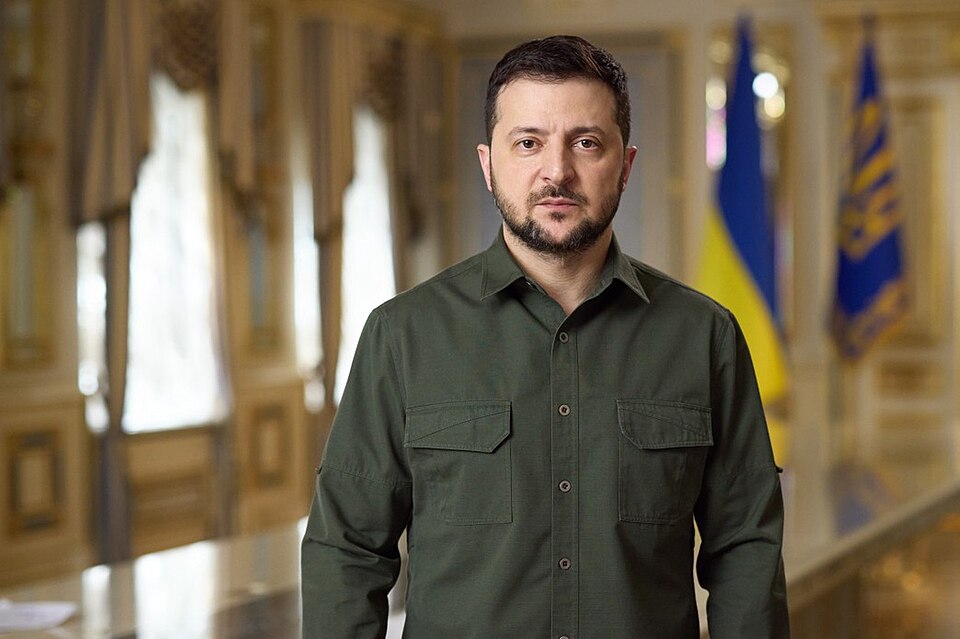
Volodymyr Zelenskyy, the President of Ukraine, will forgo attending the Ukraine Recovery Conference in Poland, a decision underscored by escalating tensions between Kyiv and Warsaw. The friction stems from a historical dispute linked to a Ukrainian military unit’s naming, which has strained relations between the two nations. Instead, Ukraine will be represented at the conference by a delegation led by Prime Minister Yulia Svyrydenko. This important event, aimed at rallying global support and investment for Ukraine’s post-war reconstruction, is being convened in the Polish city of Gdańsk.
The controversy was ignited when Zelenskyy sanctioned naming a Ukrainian military unit after the Ukrainian Insurgent Army (UPA). While many in Ukraine regard the UPA as a symbol of their struggle for independence, in Poland, the group is associated with the wartime deaths of thousands of Poles during World War II. This decision was met with disapproval from Polish officials, notably President Karol Nawrocki, who criticized Ukraine for seemingly disregarding Poland’s historical grievances. This disagreement presents a challenge to the robust partnership that has developed between the two countries since Russia’s invasion of Ukraine.
Zelenskyy has stood by the decision, asserting that military units should be free to choose names that resonate with Ukrainian historical narratives. He cautioned that political rifts could undermine the vital cooperation between Ukraine and Poland, particularly during these times of ongoing security threats. His stance reflects a delicate balancing act between honoring national history and maintaining crucial international alliances.
In response to the rising tensions, Polish Prime Minister Donald Tusk has called for both nations to ease the discord, emphasizing that such disagreements should not jeopardize the strategic alliance that is crucial for both countries. His appeal underscores the importance of preserving unity in the face of shared regional challenges, particularly given the broader geopolitical landscape.
European officials have also weighed in, warning that a deterioration in relations between Ukraine and Poland could serve Russian interests. They have urged both countries to maintain their collaborative relationship, which has been pivotal in addressing the ongoing security issues in Eastern Europe. The call for continued cooperation highlights the critical nature of this alliance in countering external threats, underscoring the broader implications of the current diplomatic rift.