
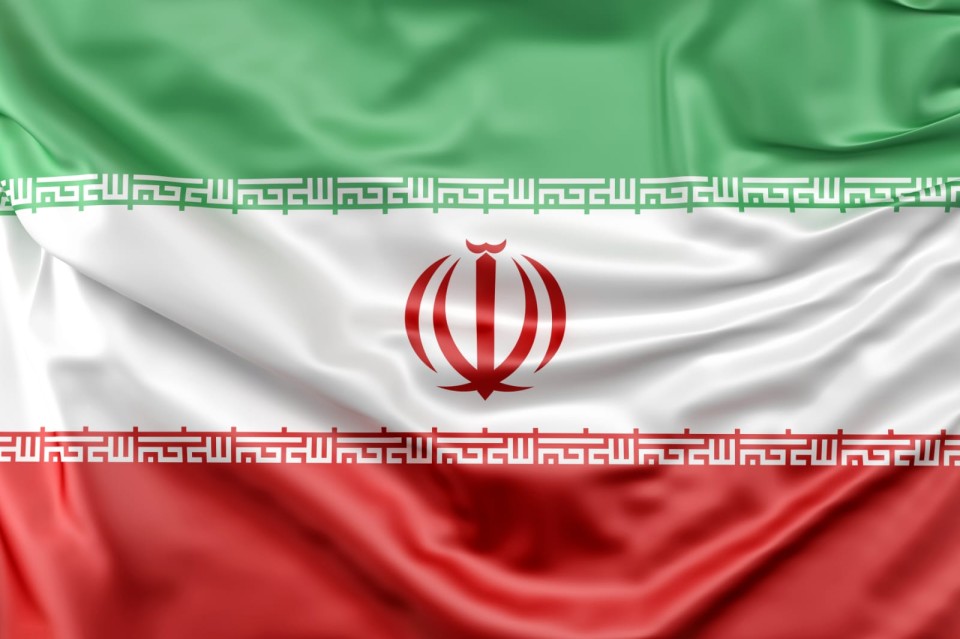
In a move signaling potential diplomatic progress, Iran has decided to welcome back United Nations nuclear inspectors, a pivotal element of a new pact with the United States. This agreement, which also involves plans to alleviate sanctions on Iranian oil exports and facilitate the reopening of the Strait of Hormuz, represents a significant advancement in international oversight of Iran’s nuclear activities. Previously, the International Atomic Energy Agency (IAEA) had its cooperative efforts disrupted following military strikes on Iran’s nuclear infrastructure, escalating regional tensions.
The breakthrough came after marathon negotiations lasting nearly 18 hours in Switzerland, where Iranian Foreign Minister Abbas Araghchi and US Vice President JD Vance expressed optimism regarding the progress achieved. The discussions, which included mediation by Qatar and Pakistan, set the stage for technical teams from both nations to flesh out the implementation details. They are also tasked with framing a broader agreement anticipated to be finalized in the next two months. A critical aspect of the agreement is Iran’s pledge to permit the resumption of IAEA monitoring activities, although further negotiation is required to determine the extent of inspections and access to previously targeted nuclear sites.
Economic relief measures are also a key component of the agreement, aimed at mitigating the strain on Iran’s economy. The United States is preparing a temporary waiver to enable the return of Iranian oil and petrochemical exports, while discussions are ongoing about unfreezing Iranian assets held abroad. Iranian officials are optimistic that these measures could help stabilize their economy and control inflation.
Additionally, a new coordination mechanism is being established involving the United States, Iran, and Beirut, intended to bolster efforts toward a lasting ceasefire in Lebanon. This framework aims to minimize the risk of further escalation and enhance communication channels during tense periods.
While these developments are promising, significant hurdles persist, particularly concerning regional security issues and adherence to ceasefire obligations. Despite these challenges, both parties have described the talks as constructive, expressing hope that continued diplomatic engagement could eventually lead to a comprehensive, long-term resolution.