
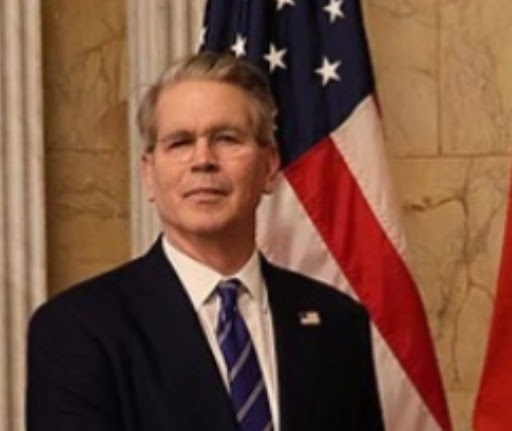
Treasury Secretary Scott Bessent’s potential Iranian crude oil sanctions waiver offers a rare and striking glimpse into the high-stakes world of oil diplomacy, analysts said Thursday following his announcement. Bessent revealed the administration is considering temporarily lifting sanctions on approximately 140 million barrels of Iranian crude stranded on tankers, a move that sits at the intersection of energy economics, sanctions policy, and geopolitical strategy.
The high-stakes nature of oil diplomacy in the current crisis is driven by the scale of the disruption. Iran’s Hormuz blockade has removed between 10 and 14 million barrels of daily supply from global markets for close to two weeks, a disruption that has forced the administration into oil diplomacy decisions with consequences that extend far beyond the immediate price crisis.
Bessent confirmed the Iranian crude on tankers, originally heading toward Chinese buyers, as the subject of the most sensitive of these diplomatic decisions. A targeted temporary waiver could redirect approximately 140 million barrels to global markets, providing roughly two weeks of supply relief during the US campaign against the Hormuz blockade.
Earlier oil diplomacy achievements include a Treasury waiver for Russian oil that added approximately 130 million barrels to world supply and a coordinated G7 commitment of 400 million barrels from strategic petroleum reserves. An additional unilateral US Strategic Petroleum Reserve release is also being planned, while the administration has maintained its opposition to financial market intervention.
Oil diplomacy analysts noted the multiple dimensions of the Iranian crude decision. On the economic side, the supply benefit is real and significant. On the sanctions side, the precedent is concerning. On the geopolitical side, enabling Iranian oil revenues would provide funds for military activities and proxy support. Critics argued that successful oil diplomacy in this crisis requires managing all three dimensions simultaneously, a challenge that the current proposal has not yet fully addressed.