
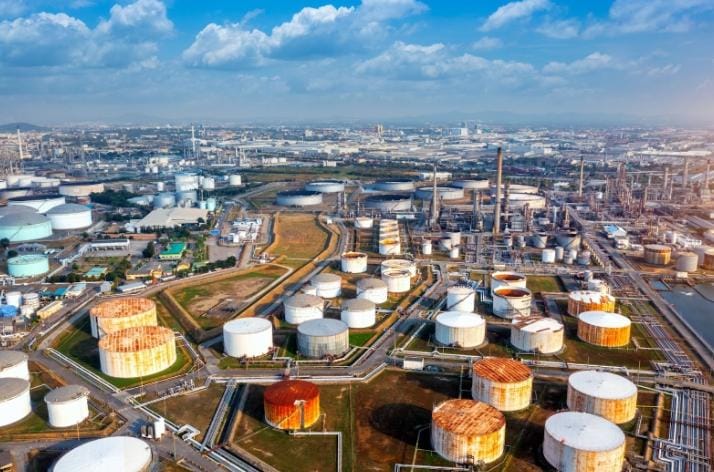
The Iran conflict is methodically dismantling the Gulf’s energy export infrastructure, from Kuwait’s oil fields to Qatar’s LNG terminals, in a way that is sending shockwaves through global markets and raising the prospect of an unprecedented coordinated production shutdown. Brent crude has already surged past $90 a barrel — a more than 25% weekly gain — and the worst may be yet to come.
Kuwait was first. The country’s oil fields began running out of storage space as the Strait of Hormuz conflict blocked normal tanker traffic, forcing production cuts. Energy consultants estimate Saudi Arabia and the UAE face the same problem within 20 days. If those countries join Kuwait in cutting output, the combined effect on global oil supply would be catastrophic — and restarting halted wells would take weeks.
Qatar has faced a different but equally severe blow. An Iranian drone strike on a key LNG terminal has disrupted the country’s ability to fulfill its export commitments. Qatar supplies around 20% of the world’s LNG, and its energy minister has warned that even an immediate ceasefire would leave exports offline for weeks or months as the damaged terminal is repaired. European gas prices have surged to three-year highs in response.
The energy minister’s other warning — that continued conflict could push oil to $150 a barrel — reflects the cumulative impact of all these disruptions happening simultaneously. It is not just that one part of the Gulf energy system is under stress; it is that multiple interconnected parts are failing at the same time, creating the conditions for a supply shock of historically unprecedented proportions.
Financial markets have registered the alarm. Asian stocks had their worst week since the pandemic, European and UK indices fell more than 5%, and bond markets experienced their most turbulent period in years. UK interest rate cut expectations fell from 80% to 15% in days. Airlines warned of massive losses. And economists, who had been cautiously optimistic about the inflation outlook, are now reaching for their crisis-scenario models.