
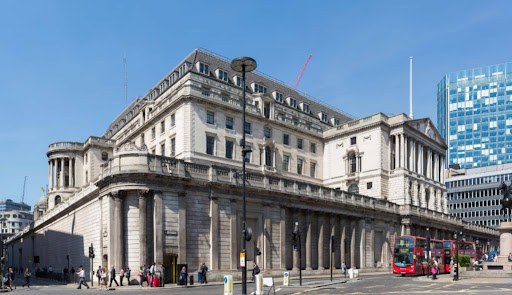
The Bank of England has been forced into an unwanted shift from dovish to hawkish territory by the Iran war, voting unanimously to hold rates at 3.75% on Thursday while acknowledging that the conflict’s energy price impact had changed the policy calculus from one favouring cuts to one potentially requiring hikes. The monetary policy committee’s changed orientation was evident in the hawkish tone of its statement and in the shifting positions of committee members who had previously been among the strongest advocates for rate reductions. Officials warned that inflation could rise above 3% and that borrowing costs might need to increase.
The shift from dove to hawk has been particularly striking among the committee’s most dovish members. Swati Dhingra, who had been the most consistent voice for lower rates over the previous several meetings, indicated that persistent inflation driven by the war could now warrant rate increases. Deputy governors Breeden and Ramsden, who had been leaning toward cuts before the war, have moved to a cautious hold position. These individual shifts collectively represent a significant change in the overall balance of committee opinion.
Governor Andrew Bailey managed the dovish-to-hawkish shift in his public communications with characteristic care. He said the Bank had not made a predetermined decision to hike rates but acknowledged that the committee’s assessment of the risks had changed following the war’s outbreak. His message was that the shift was driven by evidence and analysis rather than a general ideological preference for tighter policy.
Financial markets were highly attuned to the committee’s shifting orientation, moving decisively to price in rate hikes before year end. UK gilt yields rose, the FTSE 100 fell, and the pound strengthened against the dollar as traders positioned for the implications of the hawkish shift. Analysts noted that committee-level shifts of this nature are typically reliable indicators of the direction of future policy decisions.
For UK households and investors, the dovish-to-hawkish shift has concrete financial implications. The expectation of rate cuts that had been influencing financial planning must be revised to account for the possibility of rate hikes. Mortgages, business loans, and investment decisions made in a dovish environment may need to be reconsidered in light of the shifted committee orientation. The practical adjustment to the Bank’s changed stance is already beginning, through rising mortgage rates and higher gilt yields, before any formal policy action has been taken.