
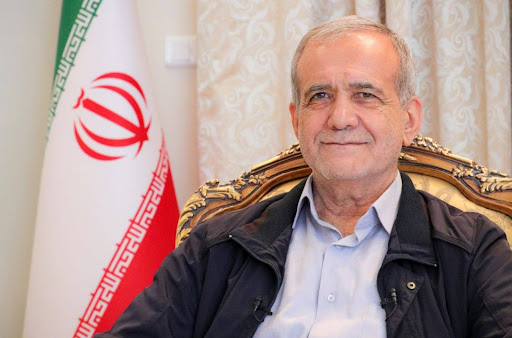
President Masoud Pezeshkian has issued a stern reminder that Iran will not tolerate strikes on its vital financial and industrial infrastructure. As the regional war enters its second month, the Iranian leader warned that any attack on the nation’s economic centers would trigger a devastating counter-response. This message was directed primarily at neighboring states that are currently facilitating foreign military operations.
The geopolitical landscape has become increasingly volatile, with Saudi Arabia, the UAE, and Kuwait feeling the direct impact of the hostilities. Because these nations host U.S. military assets used to strike Iranian targets, they have been pulled into a cycle of military exchanges. The conflict has essentially dismantled the traditional security barriers that once protected these Gulf economies.
In a recent statement, Pezeshkian clarified that Iran’s military posture remains strictly defensive. He noted that while Tehran does not seek to initiate preemptive strikes, it is fully prepared to defend its sovereignty with “strong retaliation.” He urged regional leaders to prioritize regional development by distancing themselves from Western military management.
The significance of this warning lies in its potential to disrupt the global energy market. Since the Gulf is home to the world’s most critical oil facilities, any direct hit on economic hubs could lead to a worldwide financial crisis. Investors and international observers are now monitoring the situation with heightened concern.
Diplomatic efforts are being concentrated in Pakistan, where Prime Minister Shehbaz Sharif is coordinating with several regional powers. The goal of the upcoming ministerial meetings in Islamabad is to find a formula for de-escalation that respects the red lines of all parties. Building “trust” remains the essential first step toward a lasting ceasefire.