
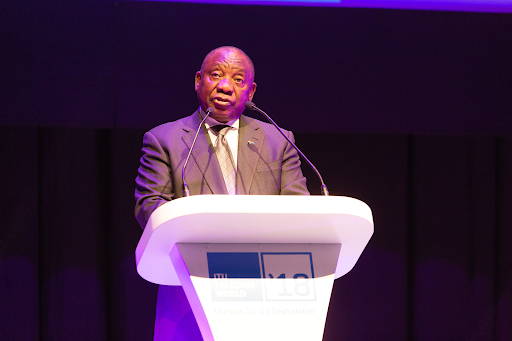
South Africa has successfully engaged the United States in last-minute talks regarding a potential reversal of the G20 summit boycott, President Cyril Ramaphosa confirmed. This significant shift follows days of uncertainty triggered by Washington’s earlier declaration of non-attendance. Ramaphosa, however, reserved comment on whether President Donald Trump would personally join the Johannesburg delegation.
The root of the diplomatic strain was President Trump’s accusations of discrimination and violence against white Afrikaner farmers, specifically regarding land seizure policies. The South African government consistently denied these claims, characterizing them as politically motivated misinformation aimed at destabilizing the summit.
Speaking to European leaders, Ramaphosa welcomed the US outreach as a clear “positive sign,” emphasizing that dialogue always triumphs over isolation. He maintained his stance that boycotts rarely achieve constructive outcomes and stressed the imperative for inclusive global cooperation. South Africa’s G20 agenda is purposefully focused on the economic priorities and developmental needs of the developing world.
The diplomatic conflict reached a peak when a US note warned that the G20 would be incapable of issuing a unified final statement without American participation. South Africa condemned this maneuver as an act of coercion, asserting that it undermined the very foundation of multilateral decision-making. Officials were firm in their conviction that an absent nation should not dictate the forum’s collective will.
Ramaphosa concluded by reiterating South Africa’s commitment to achieving consensus among the G20 member nations. He acknowledged the US will assume the next G20 presidency but stressed that the forum’s legitimacy is derived from its principle of inclusivity and collective action, not from unilateral pressure.