
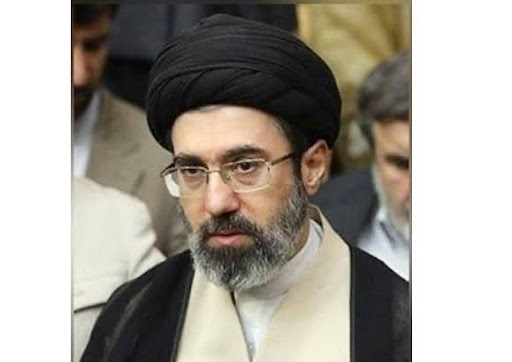
For those who remember the bloody suppression of Iran’s Green Movement in 2009, the name Mojtaba Khamenei carries uncomfortable associations. Multiple credible reports at the time identified the son of the supreme leader as a figure who supported the security forces’ violent crackdown on reformist protesters who had taken to the streets to challenge a disputed presidential election. Now, that same man has been elevated to the country’s highest office, named supreme leader by the Assembly of Experts on Sunday.
Mojtaba Khamenei is 56 years old and has operated at the edges of Iran’s formal power structure throughout his career, wielding significant informal influence through his access to his father’s circle and his ties to the IRGC. Born in Mashhad and educated in Qom, he is a deeply conservative figure who has never held elected office and has made very few public statements. He has never addressed the 2009 allegations or the broader question of succession.
The regime’s institutions closed ranks swiftly. The IRGC, armed forces, parliament, and senior security officials all endorsed Mojtaba within hours of the announcement. Ali Larijani praised his capacity for leadership. The Houthis celebrated. Iranian missiles inscribed with loyalty messages were shown on state media. The speed and uniformity of these endorsements underscored how thoroughly the regime had prepared for this transition.
Outside Iran, the reaction was mixed. Israel launched new strikes on Iranian infrastructure on Monday. Gulf states reported Iranian attacks, with civilian deaths in Saudi Arabia and infrastructure damage in Bahrain. The IRGC threatened to push oil above $200 a barrel. Trump warned that the new leader would not last long without US approval, though he subsequently declined to elaborate on what exactly that meant in practice.
For reform-minded Iranians and human rights advocates, the appointment of a figure associated with the 2009 crackdown signals that the hardline faction of the Islamic Republic has achieved total institutional dominance. For the regime itself, Mojtaba represents ideological continuity and a clear rejection of any path toward liberalization. Whether Iran’s population will accept or resist this direction is a question that the war and its aftermath will help to answer.