
The Japanese entertainment industry is confronting significant uncertainty regarding access to the Chinese market as political tensions over Taiwan disrupt what had been growing cultural and commercial exchanges. The postponement of two Japanese movie releases in China and the cancellation of comedy festival performances in Shanghai represent immediate impacts, but industry analysts worry about longer-term implications for an entertainment sector that had viewed China as an increasingly important market for content exports.
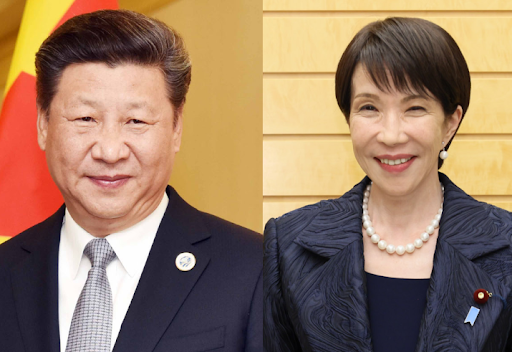
These entertainment sector disruptions form part of a broader Chinese pressure campaign responding to Prime Minister Sanae Takaichi’s statements about potential Japanese military involvement if Beijing takes armed action against Taiwan. The pattern mirrors tactics employed during the 2012 territorial dispute, when cultural exchanges were systematically disrupted even as they had previously been viewed as relatively insulated from political tensions. The current situation suggests that Beijing views comprehensive pressure across multiple sectors as necessary to communicate its serious concerns about Takaichi’s Taiwan statements.
The entertainment restrictions complement more visible economic pressure through tourism, with travel advisories threatening to reduce Chinese visitors who numbered over 8 million in the first ten months of this year and represented 23% of all arrivals to Japan. Economist Takahide Kiuchi projects that tourism losses alone could reach $11.5 billion and reduce annual economic growth by 0.3 percentage points. When combined with entertainment, seafood, and potential rare earth export restrictions, the comprehensive nature of China’s economic response becomes apparent.
For Japanese entertainment companies, the uncertainty is particularly challenging because the Chinese market had represented significant growth potential. The sudden postponements without clear timelines for resolution create difficult business planning challenges, as companies must decide whether to continue investing in content designed for Chinese audiences or to pivot toward other markets. The lack of transparency about approval processes and the explicitly political nature of current restrictions make risk assessment particularly difficult.
The diplomatic impasse underlying these entertainment sector challenges shows no signs of early resolution. China demands retraction of what it terms “erroneous remarks” and explicit Japanese commitment to the “One China” principle, while Japan maintains its position represents consistency with the 1972 joint statement. Professor Liu Jiangyong of Tsinghua University indicates that China will implement countermeasures gradually and secretly, suggesting entertainment restrictions may persist or even intensify. International relations expert Sheila A. Smith notes that domestic political constraints make compromise difficult for leaders in both countries, potentially requiring leadership changes before full resolution and return of normal market access for Japanese entertainment content in China.