
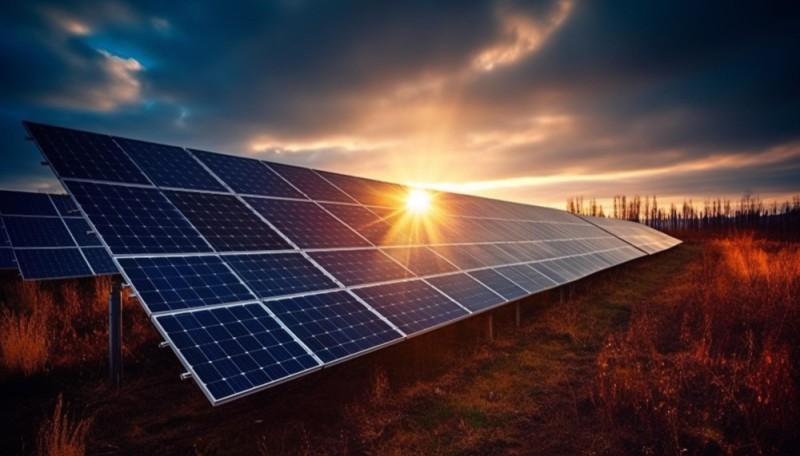
As electricity prices soar, the Philippines is witnessing a notable surge in the adoption of rooftop solar systems, with both residential and commercial sectors seeking relief from escalating energy costs. This trend has positioned the nation among the swiftest-growing solar markets, driven by the need to mitigate some of the highest electricity rates in Southeast Asia. Lacking substantial government subsidies, many Filipinos are finding solar panels to be a viable long-term strategy for curbing their monthly expenses.
The burgeoning interest in solar energy has spurred a significant increase in the importation of solar equipment, as more individuals are opting for rooftop installations. Installers have noted a considerable uptick in inquiries from consumers eager to transition away from costly grid electricity. The declining prices of solar technologies have further fueled this interest, enabling numerous households to report sizeable reductions in their electricity bills following the installation of solar panels and battery storage solutions.
Experts predict a rapid expansion of distributed solar capacity in the Philippines over the upcoming years, as the timeframe for recouping investments becomes more favorable. However, several hurdles persist, including substantial initial costs, supply chain challenges, fluctuating equipment prices, and limited financing options for some families. Despite these barriers, the relentless rise in energy costs is anticipated to continue propelling the adoption of solar power, as more citizens seek autonomy over their energy expenditures.
With the solar sector gaining momentum, the Philippines stands at a pivotal moment in its energy landscape. The increased demand for renewable energy solutions highlights a growing awareness and commitment among Filipinos to harness sustainable resources. As the market evolves, addressing the financial and logistical challenges associated with solar adoption will be crucial to sustaining this growth and achieving broader energy independence.