
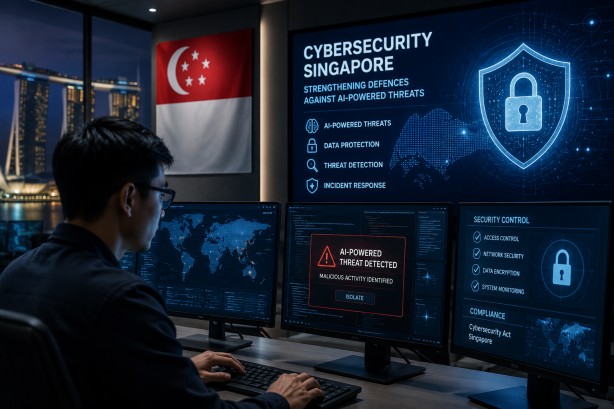
In a bid to bolster defenses against increasingly sophisticated cyber threats, Singapore has implemented enhanced cybersecurity regulations for operators of critical information infrastructure (CII). These updated requirements come as the city-state faces mounting challenges from AI-driven cyberattacks that are becoming more adept at exploiting vulnerabilities.
Key among the new measures is the mandate for CII operators to utilize a locally developed intrusion detection system. This tool is designed to identify and mitigate potential threats more effectively. In addition, there is a significant emphasis on ensuring these operators maintain full board-level oversight of their cybersecurity operations, thereby enhancing accountability and strategic governance at the highest levels.
The revised Cybersecurity Code of Practice targets 11 crucial sectors that underpin the nation’s infrastructure. These sectors include banking, energy, healthcare, telecommunications, transport, water, and government services. By focusing on these areas, Singapore aims to protect its vital national infrastructure from the evolving landscape of cyber threats.
Recent incidents, particularly those affecting major telecommunications operators, have underscored the urgency of these enhancements. Authorities are increasingly concerned that advancements in artificial intelligence are equipping cybercriminals with the tools to conduct more advanced and targeted attacks. As such, organizations are being prompted to adopt stronger governance frameworks, enhance their cyber resilience, and conduct regular reviews of their cybersecurity protocols.