
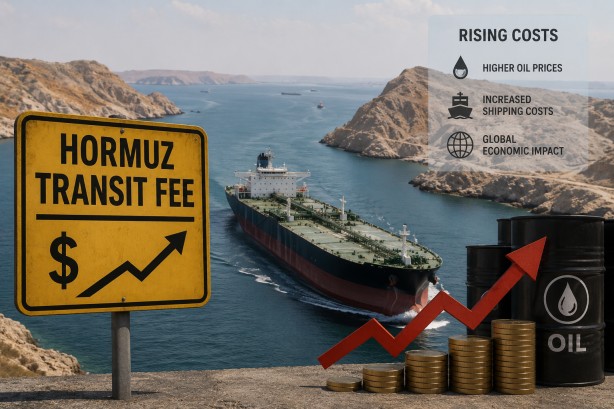
The Strait of Hormuz, a critical chokepoint for global oil transportation, is at the center of a new proposal by Iran and Oman to levy transit fees on vessels passing through. This strategic waterway is responsible for the passage of around 20% of the world’s oil supply. The proposed fee, set at approximately $1 per barrel, could potentially generate significant revenue, with estimates suggesting an annual intake of $6.8 billion, overshadowing the earnings from the Suez Canal’s transit fees.
With Brent crude oil prices hovering near $86 per barrel, the proposed charge would account for about 1.2% of the oil’s market value. While the fee may seem minor, experts have raised concerns that the additional costs could ripple through the economy, affecting fuel prices, air travel, freight rates, and the prices of goods globally. Proponents of the fee argue that it could provide a more predictable cost structure compared to the financial shocks of disruptions or blockades, which have historically led to spikes in energy prices and market volatility.
The potential impact of increased transit fees has prompted Gulf nations to explore alternative routes for oil exports. The United Arab Emirates is actively investing in infrastructure, including pipelines and ports, that bypass the Strait of Hormuz entirely. Similarly, Saudi Arabia is enhancing the capacity of its East-West pipeline, aiming to decrease its dependency on this key maritime route. These strategic moves could eventually diminish the volume of oil transported through the Strait, affecting the future profitability of the proposed fees.
Despite the potential benefits of a transparent fee structure, there are lingering doubts about the long-term viability and enforcement of such an agreement. The economic implications of higher shipping costs may extend far beyond the immediate region, influencing a wide array of industries reliant on oil transport. As the debate unfolds, stakeholders are closely monitoring the situation, weighing the potential for stable revenue against the risks of increased operational costs and geopolitical tensions.