
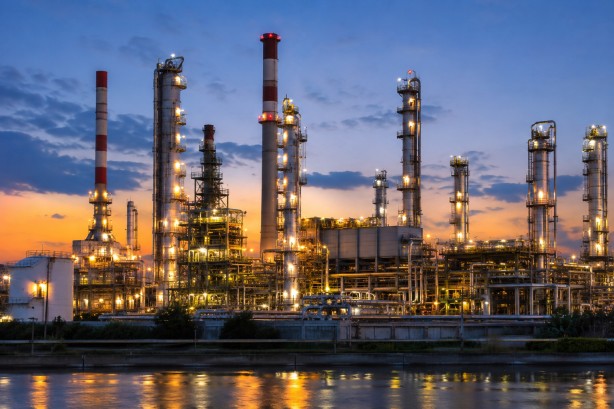
On Thursday, the price of oil on the global market surged past the $100 per barrel mark, driven by rising tensions in the Middle East that have heightened fears of potential disruptions in the world’s energy supply. Brent crude peaked at $100.14 per barrel, while West Texas Intermediate (WTI) approached $91 per barrel, both reaching their highest levels in several months. This dramatic price increase followed reports of attacks targeting Saudi oil tankers in the Red Sea, which have sparked concerns over the security of vital global shipping lanes.
The Red Sea and the Bab el-Mandeb Strait are crucial routes for Saudi Arabia’s oil exports, serving as an alternative pathway to the heavily trafficked Strait of Hormuz. Analysts have cautioned that any interruptions along these routes could have a significant impact on global oil supplies, affecting energy markets worldwide. This situation has prompted a renewed focus on the security of these key maritime corridors.
As crude prices have spiked, worries about inflation have resurfaced. The rise in energy costs is expected to lead to higher expenses in transportation, manufacturing, and fuel, influencing prices across various sectors globally. In the United States, consumers have already felt the impact with gasoline prices on the rise. Additionally, the anticipation of inflation has contributed to an increase in government bond yields.
Market experts suggest that ongoing instability in the Middle East could maintain pressure on oil prices, keeping them elevated in the near future. Investors are closely watching the situation for any further developments that might affect global supply chains and have broader economic implications. The current scenario underscores the interconnectedness of geopolitical events and their potential to influence global economic conditions.