
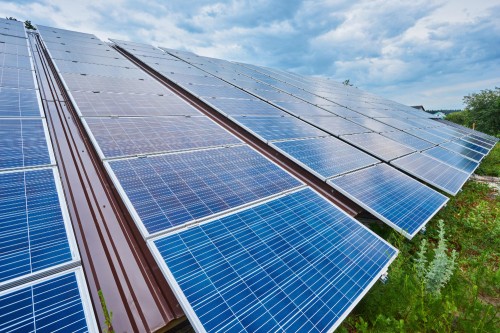
Solaren Renewable Energy Solutions Corporation, recognized by the Department of Energy (DOE) and holding a PCAB license, is a significant player in the commercial and industrial solar EPC sector. Based in Tarlac, Philippines, the company has installed more than 85 megawatts across over 2,500 projects. Solaren provides solar solutions to a diverse clientele including major brands like Toyota, Oishi, McDonald’s, and Dunkin’. Despite these installations, the company has identified a recurring issue among power-intensive businesses in Southeast Asia: the discrepancy between the apparent installed electrical capacity and the actual usable power under real operational conditions.
This gap is particularly problematic for factories, cold storage operators, food manufacturers, and various industrial facilities. These businesses often seem adequately equipped with sufficient transformer ratings, generator capacities, and grid connections. However, these figures often do not hold up during spikes in production or times of electrical instability, leading to operational challenges. The root of this issue lies in factors such as voltage fluctuations, which cause motors to consume more power, phase imbalances that mislead transformer load capacities, and harmonic distortions from non-linear equipment that stress cables and protection systems before reaching their rated limits.
Such discrepancies between theoretical and actual capacity often manifest in electricity bills, where utilities impose demand charges based on short-term peaks. A brief surge caused by uneven load distribution or transient voltage events can set a high demand benchmark for the billing period, resulting in costs for peak conditions that businesses neither sustained nor fully understood. Solaren has observed this pattern across its client base, even among those who have invested in grid-tied solar systems. While these installations help reduce energy consumption, facilities with dynamic load profiles or inadequate power factor correction still face high demand charges and equipment stress that their solar systems do not mitigate.
Addressing the gap between documented and usable power requires more than simply adding generation capacity, according to Solaren. Effective solutions include power factor correction, harmonic filtering, precise load profiling, and strategically configured battery storage for demand management. These measures help narrow the gap between the capacity a facility appears to have on paper and what it can reliably utilize in practice. Solaren’s efforts in this field have not gone unnoticed, earning the company the Asian Power Award for Solar Power Project of the Year.
Legal Disclaimer:
The information contained in this article has been provided by independent third-party contributors, clients, or content partners. We do not independently verify the accuracy, completeness, legality, ownership, licensing, or reliability of submitted content, including text, images, videos, trademarks, or other media materials. The submitting party is solely responsible for ensuring that all content, including images and media assets, complies with applicable copyright, trademark, licensing, and intellectual property laws. We disclaim liability for any unauthorized use of copyrighted or proprietary materials by third parties. If you believe that any content published on this platform infringes your intellectual property rights, kindly contact the author above for prompt review and resolution.