
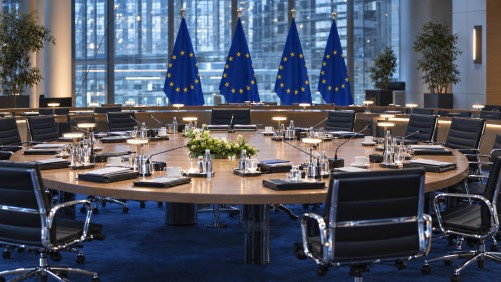
The European Union is navigating a complex negotiation process over its upcoming seven-year budget, as member states gather in Brussels under Ireland’s presidency of the Council of the European Union. The discussions center around the European Commission’s proposal for a €1.9 trillion budget for 2028–2034, a figure that has sparked debate among member nations.
Key players in the negotiations, including Germany, Denmark, the Netherlands, Sweden, and Austria, have voiced their desire for substantial cuts to the proposed budget. In contrast, other countries are advocating for the protection of crucial funding allocations dedicated to agriculture and regional cohesion. As the EU plans to begin repaying post-Covid recovery loans from 2028, requiring approximately €24–€25 billion annually, the urgency to finalize the budget framework has intensified.
In addition to budget size and priorities, the EU is also exploring new revenue streams to bolster its financial resources. Proposals under consideration involve channeling certain carbon-related levies, contributions from large corporations, tobacco excise duties, and taxes on electronic waste into the EU budget. The European Commission estimates that these measures could yield around €44 billion annually. However, these new revenue initiatives necessitate unanimous approval from all EU member states.
Ireland, tasked with building consensus, is preparing a draft negotiating framework in anticipation of an EU leaders’ summit scheduled for October, where discussions are expected to escalate to the European Council level. Achieving a budget agreement during Ireland’s presidency remains a primary objective for the government.
Meanwhile, in a separate but significant development, the EU and the Philippines have made notable progress towards a free trade agreement. After negotiations that began in 2016 and picked up pace again in 2024, both parties are aiming to finalize the deal in the coming months. This agreement promises to reduce tariffs on over 97% of bilateral trade, potentially boosting the €17.6 billion trade in goods and €10.3 billion in services recorded last year.